
The Hidden Costs of Skipping Professional Surface Prep Before Painting
When you’re planning a painting project, skipping professional surface preparation may feel like a harmless shortcut. But the hidden costs of inadequate preparation work can mount up quickly, leading to material waste, early failure, and even long-term structural problems.
Custom Prep Ensures Flawless Finishes
Whether you’re working with stucco, drywall, brick, or wood, proper preparation ensures the best results and protects your investment. The process begins with an inspection to identify any damage, moisture, or contamination.
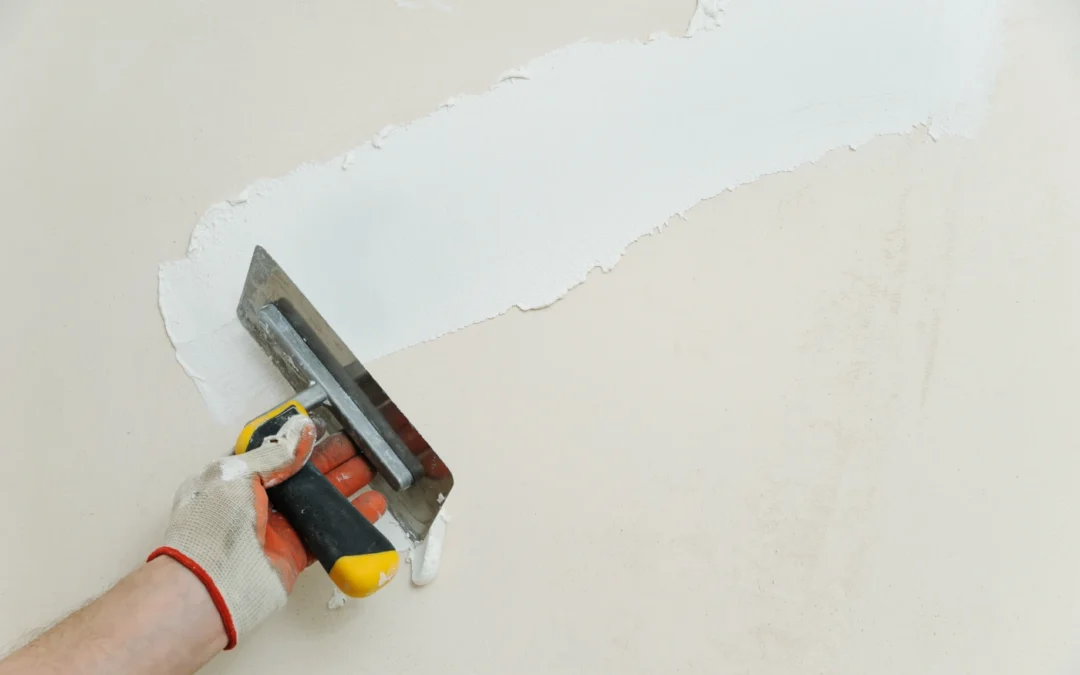
After that, dust, grease, and debris are removed from the surface using either hand cleaning or power washing. Rough surfaces are then smoothed out, and any holes or cracks are fixed. Priming ensures a smooth finish and long-term durability by sealing the surface.
Poor Adhesion Causes Failure
Paint doesn’t stick well to dirty, glossy, or damaged surfaces. When you skip preparation steps such as cleaning, sanding, or priming, you risk poor adhesion that causes the paint to peel or crack much sooner than expected.
Without proper bonding, even the highest quality paints will fail prematurely. In addition to being expensive, repainting is time-consuming and disruptive, and it frequently calls for even more planning to make up for the mistakes made the first time.
Hidden Moisture Is A Risk to Surfaces
Moisture is one of the most common causes of paint failure, and it’s often invisible to the naked eye. Professional painters check for water intrusion and trapped moisture during preparation, something that do-it-yourself or hurried projects usually forget.
When water is sealed beneath a fresh coat of paint, it can lead to blistering, bubbling, or mold growth. Over time, this moisture can break down wood, drywall, or stucco, resulting in expensive repairs that would’ve been avoidable with the proper steps upfront.
Improper Prep Leads to Uneven Finishes
Without surface leveling, patching, or priming, even high-end paint will appear blotchy, inconsistent, or dull. Surfaces that haven’t been sanded or repaired show imperfections that are magnified after the paint is applied.
Additionally, irregular structure results in uneven absorption, which impacts sheen and color uniformity. A bad finish, whether on an outside surface or an interior wall, detracts from visual appeal and gives the impression that your investment is amateurish, which is hard to fix without starting over.
Unprepared Surfaces Increase Costs
When paint begins to fail prematurely, you’ll have to scrape, sand, prime, and repaint—essentially doing the job twice. This leads to higher costs in labor, materials, and time to correct what could have been easily prevented. Here’s how skipping prep adds up over time:
- Frequent Repainting: You may need to repaint every 2-3 years instead of the standard 7-10 years.
- Increased Labor Costs: Fixing peeling or bubbling paint takes far longer than properly preparing the surface upfront.
- Hidden Damage: Moisture, mold, or structural issues hidden under inadequate prep can lead to expensive drywall or stucco repairs.
Potential Health and Safety Risks
Mold, mildew, flaking lead-based paint, or asbestos-containing materials are often hidden beneath older finishes, exposing you and your family to allergens and respiratory irritants. Professional prep includes inspections and containment protocols to deal with these hazards before new paint is applied.
Painting over them does not eliminate the risk; it only hides the issue, which, if not handled properly, can result in major health problems and legal repercussions.
Decreased Paint Durability
Modern paint formulations come with impressive technologies, like UV resistance, mold inhibitors, and stain protection. However, they rely on a properly prepped surface to function as intended. These coatings can’t form a secure film if surfaces are greasy, powdery, or unstable. This leads to:
- Premature fading due to UV exposure.
- Loss of mildew protection in damp areas.
- Reduced washability in high-traffic spaces.
- Paint that cracks or flakes in extreme weather conditions.
While DIY painting might seem doable, you cannot underestimate the importance and complexity of surface preparation. Hiring a team like our Grates Pro Painting, you’re getting expert eyes on your surfaces, quality materials, and proper techniques. Schedule a consultation today!